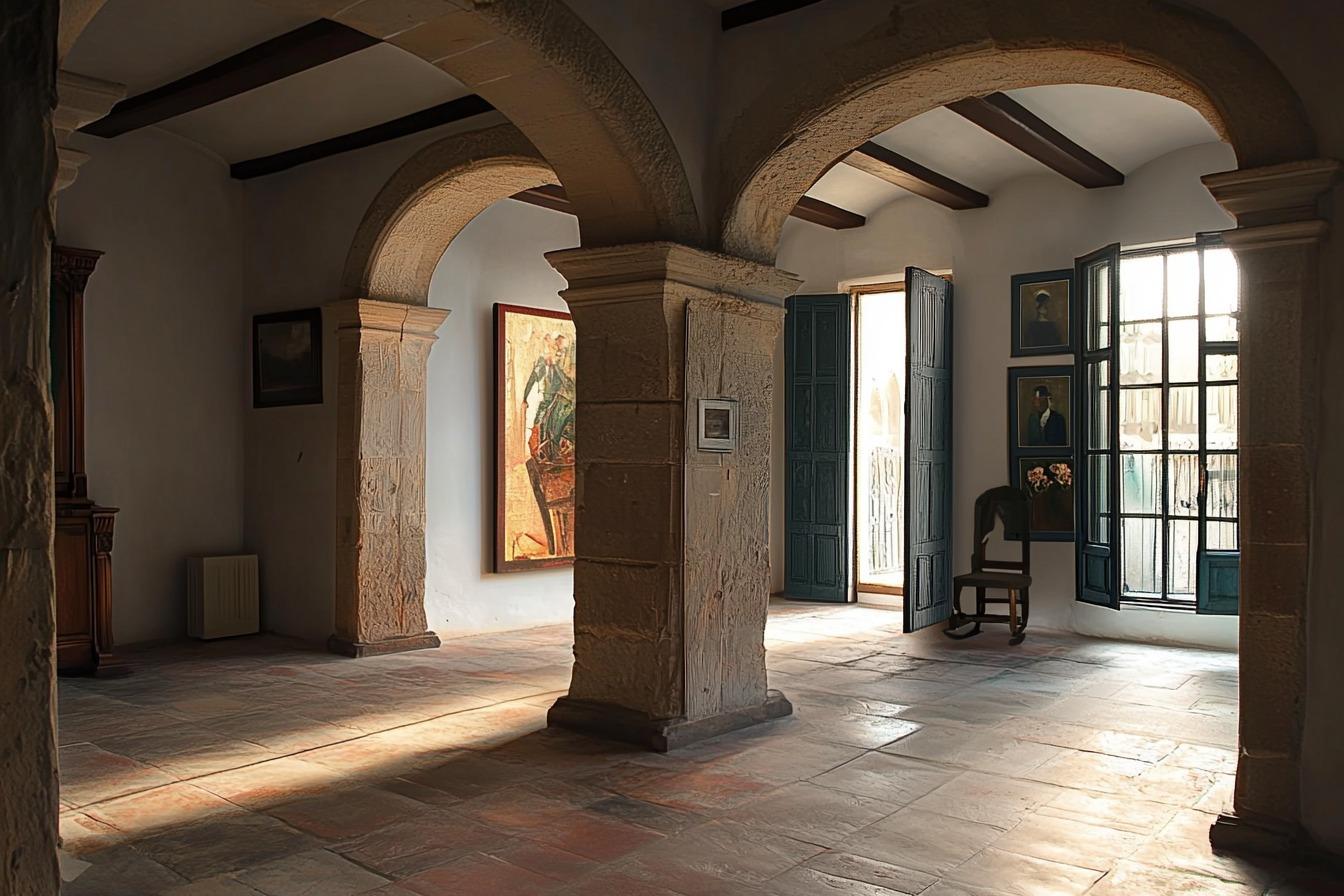
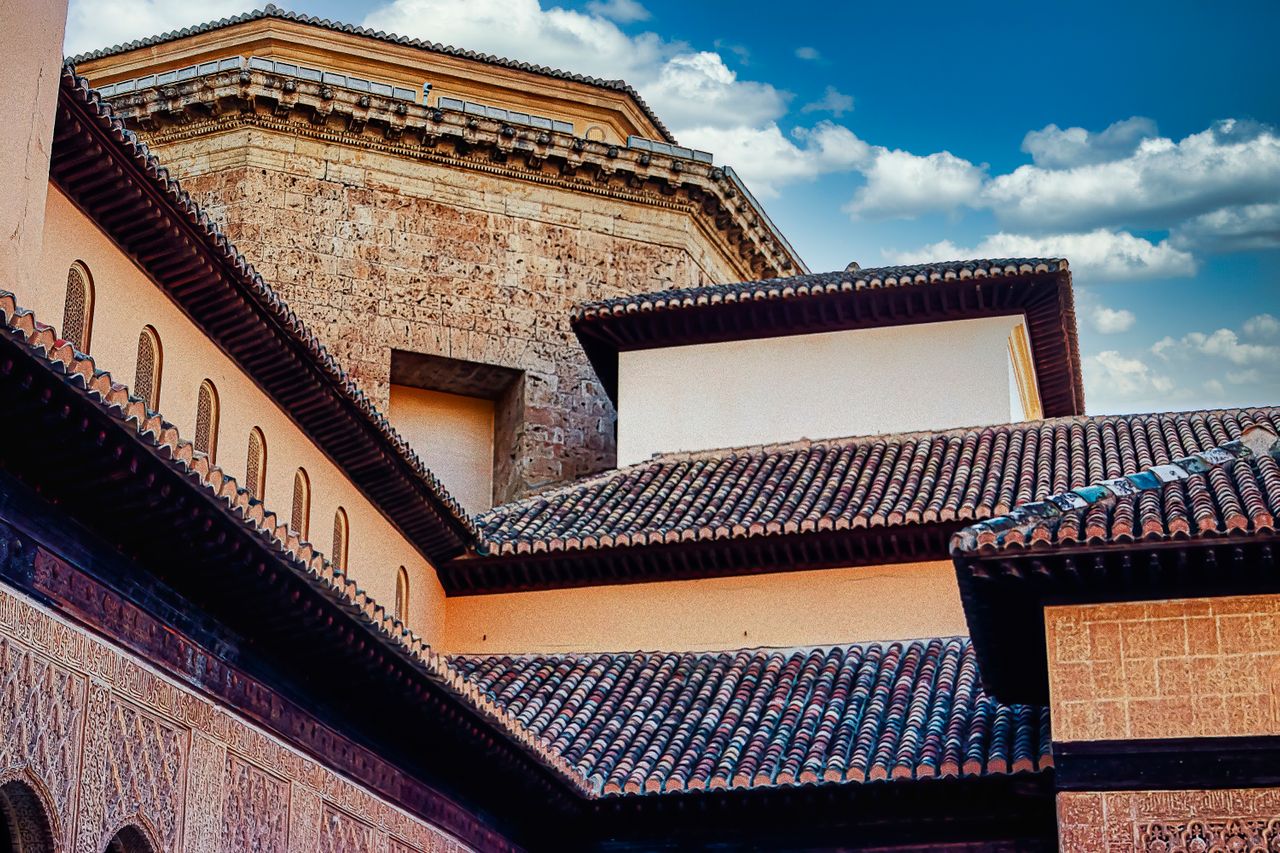
Standard appraisal works by comparison: it lines your property up against six recent sales nearby and adjusts for the differences. An architect-signed villa, a house tied to a particular era or family, a plot with a sea orientation no neighbouring plot shares — these have nothing to be lined up against. Where the algorithm and the bank’s valuer see an empty field, a singular valuation builds worth from what the market rarely converts into a figure: the architect’s name, the historical context, the building’s link to a period, an event or a person, the quality of the architecture itself, the scarcity of the site, and the cleanliness of its legal title.
It is not a second opinion on price. It answers a different question, and it is built for a different reader.
The official values, and where each one stops
Spain has several official “values,” and they are routinely confused with one another.
Valor hipotecario, the mortgage value, is set by a valuation firm accredited by the Bank of Spain under Orden ECO/805/2003. It is the document a lender requires before granting a mortgage. It does not measure market value; it measures a value that is sustainable over time — deliberately conservative, written in the lender’s interest, not the owner’s.
Valor de referencia, the cadastral reference value, has served since 2022 as the minimum taxable base for transfer tax (ITP) and for inheritance and gift tax. It is generally estimated at 50–70% of market value and is produced by an algorithm working zone by zone. The Cadastre does not see cracks, damp, encumbrances or sitting tenants on old contracts — and by the same logic it does not see the architect’s signature, the rarity of the plot, or the quality of a restoration. The model averages. A singular property, by definition, falls outside the average.
There is a further point that is rarely made plainly: the valor de referencia still does not exist for every property. It is absent not only for rural estates, but for a share of ordinary apartments, for older or atypical buildings, for properties with special characteristics, and for undeveloped land. When it does not exist, the tax is calculated under the general rule — from market value. So the most exceptional asset often has no official anchor at all, and its defensible value has to be established from scratch.
Even when a valuer inspects the real building, the method meets the same wall. The primary approach is the método de comparación. The number six is not a convention: Orden ECO/805/2003 requires a minimum of six comparable transactions (testigos) for the sample to count as representative, and since the 2025 reform (Orden ECM/599/2025) the valuer must also disclose the source of each one. For a singular house, six comparables do not exist in the world. The valuer then moves to the método del coste, the cost approach: what it would cost to rebuild the property today, less depreciation.
That is where the line falls. The cost approach answers how much it costs to reproduce the walls. It does not answer why people pay more for this house than for its copy.
What a singular valuation adds
The gap between a building and its exact replica is precisely what a singular valuation measures. The replica can be built. Authorship, time and context cannot.
A singular valuation reads the property through several independent lenses at once.
The architectural lens: who designed it, which school they belong to, how the building handles light and slope, whether it converses with the landscape or argues with it. A name the market recognises is value, not a footnote.
The cultural lens: the object’s origin and provenance, its link to a period, a specific event or a person, its place in the history of the ground it stands on. A house where a known figure lived, or one that became part of a local story, speaks to a different set of buyers — and that shifts the number in a way you can measure. A house can be an event, not merely a product.
The market and negotiation lens: real liquidity at the top of the market, the depth of demand for a particular typology, and the logic of a transaction that almost always happens quietly, away from the portals.
The legal and tax lens: clean title, planning status, usufruct, the position of a non-resident, the base for inheritance tax in the Valencian Community. A value you cannot defend in front of the tax authority or the buyer’s lawyer is not a value; it is a wish.
A standard appraisal gives a number, on a date, for a bank. A singular valuation gives an argument — a dossier that holds up in a conversation with a buyer, an heir and an inspector.
How the dossier is built
A singular valuation is not one figure but a structure that leads to the figure and then defends it: an architectural reading of the property; provenance and cultural context; legal and tax due diligence with the applicable rules cited by year; a reading of liquidity at the top of the market; and the negotiation logic — how that value behaves in a real sale, which is conducted quietly.
Silence, here, is not a style. It is a method. Singular properties change hands away from the shop window, and their value is both established and defended differently.
FAQ
How is a singular valuation different from an official tasación?
An official tasación under Orden ECO/805/2003 sets the mortgage value for a lender and is deliberately conservative. A singular valuation reasons the market position of a unique asset through architecture, provenance, law and real liquidity. They are different tools for different purposes; for a mortgage, the bank will still require the tasación.
Why doesn't standard appraisal work for a singular house?
The primary method compares the property with at least six similar sales, as Orden ECO/805/2003 requires. A unique asset has no comparables, so the valuer falls back on the cost approach, which prices the cost of rebuilding the walls but ignores authorship, provenance and scarcity — the very things buyers pay for in this segment.
Does a singular valuation replace the official values?
No. The valor hipotecario and the valor de referencia keep their own purposes — mortgage lending and the tax base. A singular valuation does not override them; it provides a reasoned market anchor where the official figures underprice the asset, or where they simply do not exist. Calculations are case-specific, and final review belongs to a lawyer or tax adviser.
Sources: Tinsa — property valuation methods; Arquitasa — tasación de inmuebles singulares; BOE — Orden ECO/805/2003 (consolidated text); BOE — Orden ECM/599/2025, reform of ECO/805/2003; AEV — ECO vs RICS valuation, 2025; Sede Electrónica del Catastro — Valor de Referencia; RICS — Comparable evidence in real estate valuation. Verified August 2026; Valencian Community rules change periodically — confirm the current version before acting.
Silent Sale — private property advisory for singular and off-market properties on the Costa Blanca, Spain.